
I don’t know about you all but it is getting really hard for me to stay motivated in, just about everything, when the sun starts to set at four o’clock in the afternoon. Seasonal depression is so real and I let it affect me far too often. If you’re anything like me, then this is the article for you. We are leaving poor self care in 2025.
If you want to be better self care, let’s take the time to really understand what it is. Self care is the practice of intentionally taking care of your physical, mental, emotional, and social well-being to maintain balance, reduce stress, and support overall health. There are seven pillars of self care and if we are conscious about all of them – we can build a better us.
Pillar 1:
Mental Self Care – Caring for your mind by managing stress, learning, and keeping healthy thought patterns.
Examples for Mental Self Care
- Read a book
I know that reading can feel so daunting, it is embarrassing to admit it has been years since I have finished a book. However, the reality is that reading is great for improving cognitive skills like memory, attention, critical thinking, and more. Reading is also a great way to wind down at the end of your day.
My tip: Leave your book on your nightstand or next to your bed. If it’s in sight, it might be easier to find the motivation to read a few pages before bed.
- Practice journaling
I was never into journaling all that much – that was more Hattie’s style – but I’ve been into it recently. It can be hard to keep up with journaling. When I forced myself to do it, it only felt like one more thing I have to do instead of something I found joy in. But once you are into it, journaling is a wonderful way to organize all of your racing thoughts and a healthy way to express your emotions.
My tip: I am trying to improve my cursive so writing in my journal is an excuse for me to practice. Find something that you are looking forward to and connect it with journaling.
Check out Hattie’s “How to Get Into Journaling: A Beginner’s Guide” for more tips and tricks.
Pillar 2:
Emotional Self Care – Understanding, expressing, and regulating your feelings in healthy ways.
Examples of Emotional Self Care
- Watch your favorite movies
My recommendation: I always love rewatching How to Lose a Guy in 10 Days. That is my go to when I am upset or needing a pick-me-up.
- Listen to your favorite artists/songs
Psychology Today states that we “rewatch shows for emotion, not plot”. There are so many benefits to rewatching and listening to your favs you love, especially around the holidays, like stress relief, experience nostalgia, and revisit old memories.
My recommendation: Since we’ve brought up the topic of seasonal depression, I have an entire playlist on Spotify dedicated to albums that remind me of summer (solely because they were on repeat in my house).
Pillar 3:
Physical Self Care – Maintaining your body through sleep, nutrition, movement, and medical care.
Examples of Physical Self Care
- Eat three meals at regular times
- Drink water
- A good night’s sleep
- Find a reason to be active
Physical self care is definitely the hardest for me to maintain but the truth is that fueling and strengthening your body through movement helps to boost your energy and overall health.
My tip: Start small – instead of planning the gym three days a week, plan for once or twice. Pick one new habit to focus and build on and then work upwards!
Pillar 4:
Environmental Self Care – Creating and maintaining spaces that are safe, clean, and supportive of well-being.
Examples of Environmental Self Care
- Keep your space tidy
Listen, no matter how many times I clean, my room is always messy – okay, I actually don’t clean very often. I am the first person to stand behind the claim that cleaning is way too hard and way too much work. Taking a few minutes to tidy up can instantly make your space feel calmer and more manageable.
My tip: Dedicate five minutes a day to picking up after yourself, no more and no less. This will help cleaning feel a little more manageable without it being overwhelming.
- Appeal to all 5 senses
Your environment impacts more than just how things look. Soft lighting, calming scents, background music, or even a warm drink can make your space feel more comforting and inviting. For example, we just added some fairy lights into our living room so we don’t always need the overhead light on and that small detail made me feel so much calmer in my living area.
My tip: Focus on one sense at a time, the goal is to feel less overwhelmed.
Pillar 5:
Spiritual Self Care – Finding meaning, purpose, or connection to something greater than yourself (beliefs, values, or mindfulness).
Examples of Spiritual Self Care
- Reflect on your values
One of the journal prompts I answered recently that I really love is “What core values of mine mean the most to me?” and “When and where were these values made?” Taking time to reflect on what truly matters to you can help you feel more grounded and aligned with your choices. Coming back to your values can offer clarity and direction.
- Connect to tarot, astrology, or a higher power — whichever you feel called to
Spiritual self-care looks different for everyone. Whether you are pulling tarot cards, reading your horoscope, praying, or spending quiet time reflecting, these practices can help you feel connected and centered.
My tip: Keep your practice low-pressure — use it as a moment of curiosity or comfort.
Pillar 6:
Recreational Self Care – Engaging in enjoyable activities that help you relax, have fun, and recharge.
Examples of Recreational Self Care
- Revisit your old hobbies or try some new ones
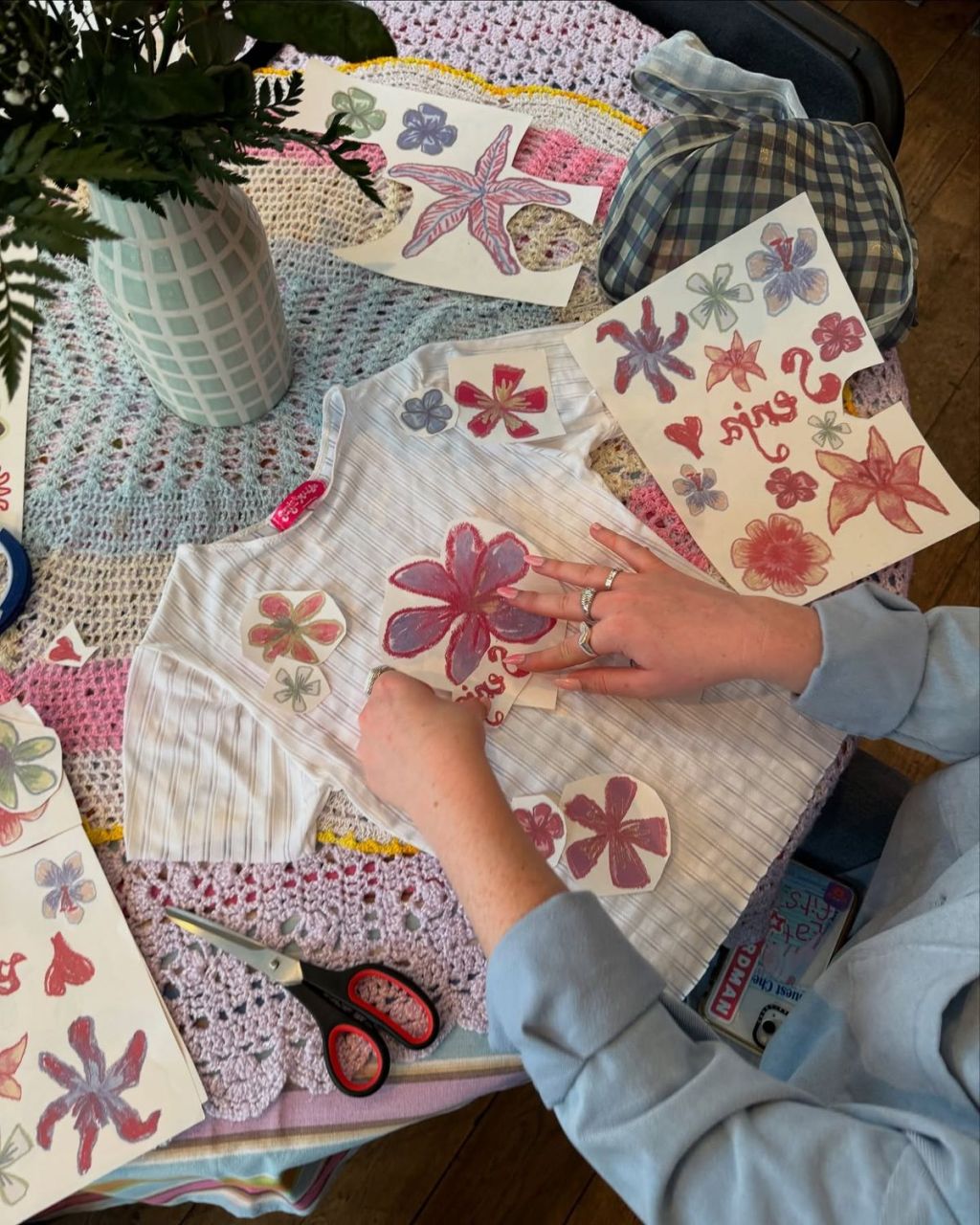
It’s easy to forget the things you once loved when life gets busy. Trust me, I have an entire bin of unfinished projects but indulging in hobbies can help you reconnect with yourself outside of responsibilities.
My tip: Make a girls night out of it – get some friends together and have a craft night, take a class, etc.
Check out Hattie’s “Find Your New Obsession: 6 Hobbies Worth Trying” if you need some hobby inspo.
Pillar 7:
Social Self Care – Building and maintaining healthy, supportive relationships and connections with others.
Examples of Social Self Care
- Spend time with the people whose company you love
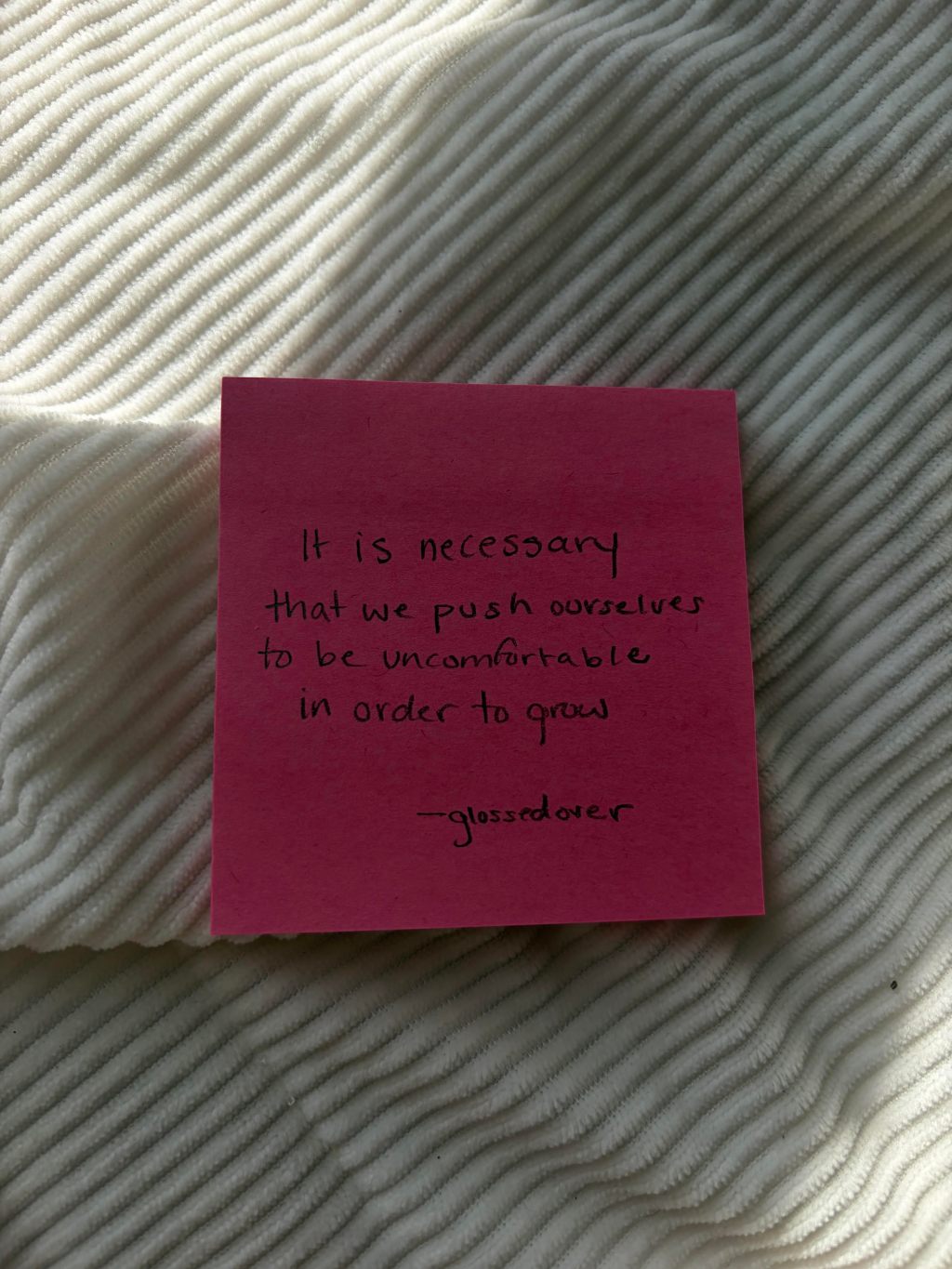
I know that reaching out and asking someone to hang out can be hard for a lot of people but taking care of yourself can also mean pushing yourself when it is needed. Social interaction and relationships are needed to feel seen, heard, and loved – which you are :)
My tip: Don’t stretch yourself too thin, find a good balance between alone time and social time.
If there’s one thing I hope you take away from this, it’s that self-care doesn’t have to be all-consuming to be effective. Especially during the darker, colder months, showing up for yourself in small, intentional ways is more than enough. You don’t need to master all seven pillars at once but now that you know where to look, just noticing where you might need a little extra care is a great place to start. Be gentle with yourself and remember that taking care of yourself isn’t selfish — it’s necessary. Here’s to moving forward with more compassion and warmth for ourselves in the new year!
Peace & Love,
Krys K



 The Glossed Over Blog
Leave a comment